
How to Choose a PMU Trainer: What Actually Matters When Picking Your Mentor
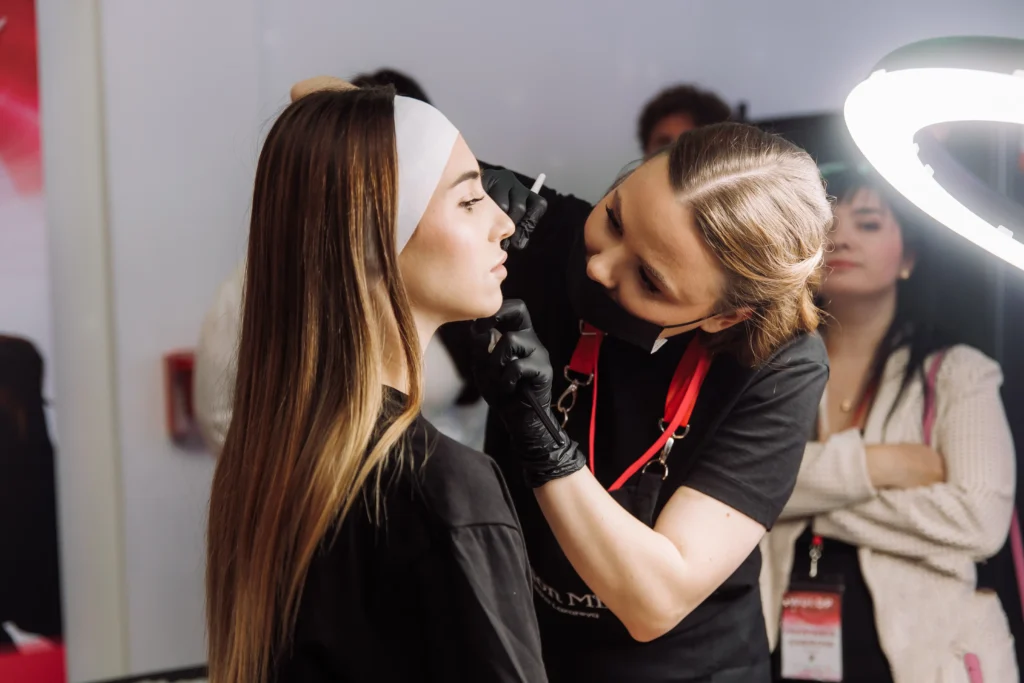
Choosing a permanent makeup trainer is one of the most important decisions you will make at the beginning of your PMU career. The mentor you choose can affect your technique, your confidence, your understanding of safety, and how prepared you feel when you begin working with real clients.
This decision deserves the same care as choosing a business partner. A good PMU trainer is not just someone with beautiful photos online. The right mentor should teach clearly, support your learning style, give honest feedback, and help you understand the professional standards behind permanent makeup work.
If you are comparing PMU training courses in Vancouver, here are the most important things to look for before you enroll.
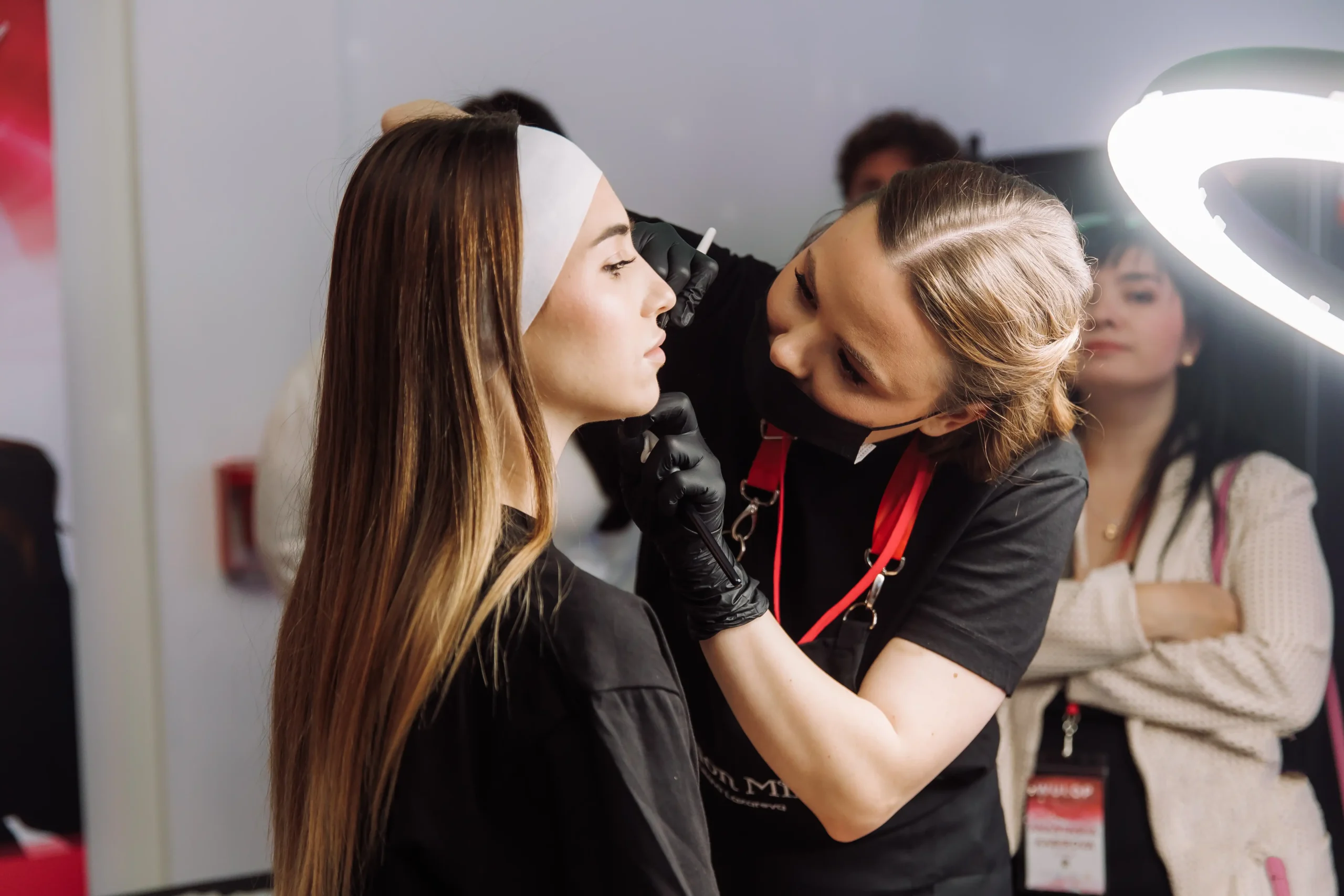
1. Your Trainer Needs to Resonate With You
This may sound simple, but it is the foundation of the entire learning experience. You need to feel comfortable with the person who will teach you. Pay attention to the way they speak, explain, answer questions, and describe their values as an artist and educator.
If something feels off from the first conversation, trust that feeling. Training requires focus, openness, and correction. If you feel tense or uncomfortable from the beginning, it can affect how well you absorb information and how confident you feel during practice.
Speak With the Trainer Before You Commit
Before enrolling in any permanent makeup course, try to speak with the trainer directly. A short phone call, online consultation, or in-person conversation can tell you more than a polished social media page.
During that conversation, ask yourself:
- Do they explain things clearly?
- Do they listen to your questions?
- Do they seem patient and professional?
- Do you feel comfortable learning from them?
You will often know quickly whether this is the right person to guide you.
2. Trust Is Non-Negotiable
Your PMU trainer needs to earn your trust. This does not mean they only need to look impressive online. They should inspire confidence through their experience, their attitude, their teaching style, and the way they talk about their students and clients.
A strong mentor should make you feel motivated, not intimidated. You should feel that they care about the quality of your education, not just about selling a course.
Pay attention to how they communicate about their work. A trainer who takes education seriously will usually talk about safety, healed results, client communication, practice, feedback, and long-term student growth.

3. Look at the Message, Not Only the Portfolio
A beautiful portfolio matters, but it is not the only thing that matters. When choosing a PMU trainer, look beyond before-and-after photos. Pay attention to what the trainer actually communicates.
Ask yourself:
- What values do they share?
- How do they talk about education?
- Do they explain their process?
- Do they show real teaching experience?
- Do they seem passionate about helping students improve?
A trainer who brings meaning to every lesson can give you something that a highlight reel cannot: real knowledge that stays with you after the course ends.
Trust
Choose a mentor who makes you feel confident asking questions and receiving feedback.
Training Format
Check whether the course is private, group-based, or built around your learning pace.
Student Support
Ask what happens after class and whether you receive post-course guidance.
Safety
Look for a trainer who teaches hygiene, skin awareness, and responsible professional habits.
Feedback
Strong training includes clear correction, not only demonstrations.
Portfolio Message
Review how the trainer explains their work, not only the final photos.
Practice Models
Confirm how live practice is organized and what support is included.
Post-Course Guidance
A good mentor helps you understand the next steps after certification.
4. Individual Approach Is Not a Bonus
Every student learns differently. Some students are visual learners. Some need written notes. Some need more repetition. Others need more verbal explanation or hands-on correction before the technique starts to feel natural.
A strong PMU mentor understands this. Instead of delivering the same lecture to every student, they adapt the learning process where possible and pay attention to what each student needs.
Before you enroll, ask:
- Is the course private, semi-private, or group-based?
- How many students are in each class?
- Will I receive feedback during practice?
- Is post-course support included?
- Will I have practice assignments after training?
These questions reveal how much the trainer values each student’s progress. At EkBeBeauty Academy, the training approach is built around focused education, personalized practice assignments, hands-on guidance where included, and post-course support.
5. Look at What Their Students Achieve
One of the strongest signs of a trainer’s quality is what their students are able to do after training. Look at student work, student progress, and the level of confidence graduates develop over time.
You can ask or look for:
- Examples of student results
- Before-and-after work from graduates
- Student testimonials
- Whether students continue practicing after class
- Whether graduates build professional portfolios
This does not mean every student will have the same outcome. Results depend on practice, effort, consistency, and individual learning pace. But if a trainer’s students show clear progress, that is a strong sign that the training has real value.
6. Choose Training That Builds Professional Confidence
Permanent makeup training is not only about learning how to hold a machine or follow a pattern. A good course should help you understand the full professional workflow behind the service.
Depending on the course, this may include:
- Client consultation
- Skin analysis
- Color theory
- Technique safety
- Needle and machine basics
- Mapping and symmetry
- Aftercare explanation
- Practice on models where included
- Feedback after training
If you are interested in focused permanent makeup education, you can explore the Permanent Makeup Course in Vancouver or choose a specialized program such as PMU brows, lip blush, or lash line enhancement.
7. Remember: You Are Investing in Yourself
Training with the right mentor is not just an expense. It is an investment in your skills, your confidence, and your future professional standards.
A very cheap course with weak instruction can cost more in the long run. You may lose time, feel uncertain about your technique, or need to relearn important fundamentals later. The right trainer should help you build a strong foundation from the beginning.
Choose someone who inspires you, someone you trust, and someone whose teaching style supports real learning. That is the type of mentor who can help you grow with more clarity and confidence.

Final Thoughts
Learning permanent makeup is a serious step. The trainer you choose should make you feel supported, challenged, and guided. Look for trust, communication, individual feedback, real student progress, and a teaching approach that matches how you learn.
If you are ready to compare training options, explore EkBeBeauty Academy courses in Vancouver or book a consultation to discuss which program fits your goals.
FAQ
How do I know if a PMU trainer is right for me?
Start with a real conversation. A trainer should feel clear, professional, and aligned with the way you want to learn. If the first interaction feels uncomfortable or rushed, that is important information.
Should I choose a private or group PMU course?
Both formats can work, but beginners often benefit from focused feedback and a smaller learning environment. Ask how many students are in the session and how much individual correction is included.
What should I ask before booking a permanent makeup course?
Ask about course structure, live practice, practice models, post-course support, kit inclusions, certification, and what kind of feedback you receive during training.
Is student work important when choosing a PMU trainer?
Yes. Student results show how well the trainer can teach, not only how well they can perform their own work. Look at graduate progress and the level of confidence students build after training.
Can beginners take PMU training?
Yes, beginners can start PMU training when the course is structured clearly and includes foundational theory, safety, technique, practice, and realistic support after class.