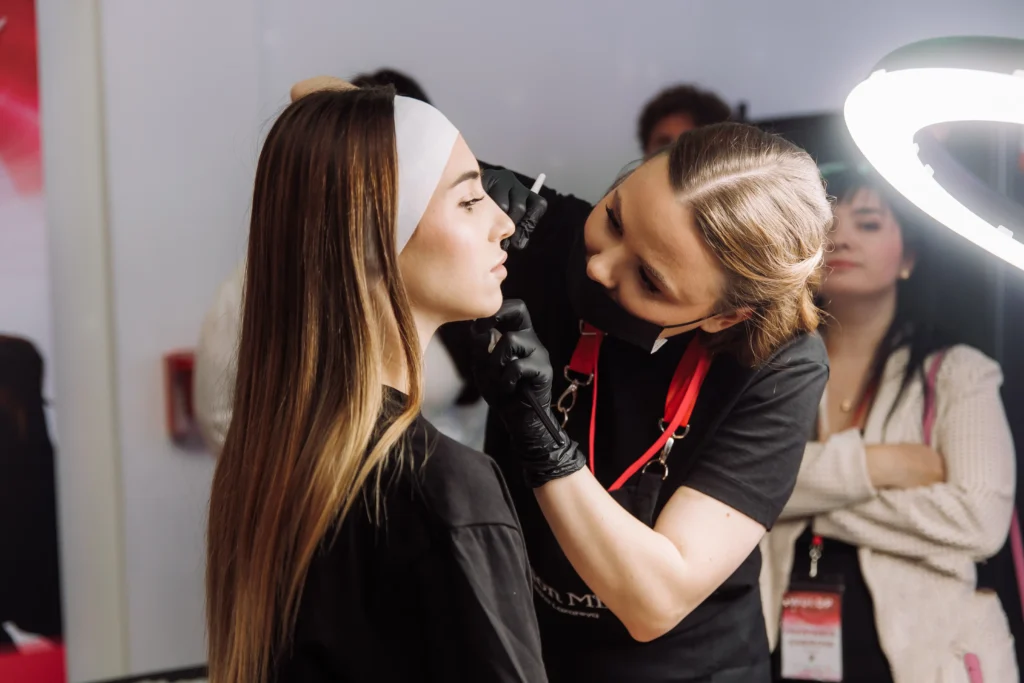
What to Do After Your PMU Course: First Steps Toward Your Own Clients
You finished your PMU course, received your certificate, and then realized you are not quite sure what comes next. That feeling is completely normal. Most new artists experience this moment: the knowledge is there, but the confidence to work with real clients has not fully arrived yet.
This guide explains what to do after PMU course training and how to move from your last day in class toward your first real clients. The focus is practical: consistent practice, model work, portfolio building, introductory pricing, and continued support while your skills develop.
Step 1: Do Not Stop Practicing
The most common mistake after a course is taking a break.
- “I will wait until a client comes along.”
- “I need to review my notes more.”
- “I am not ready yet.”
This is a trap. Reviewing theory is useful, but confidence develops through repeated, focused practice.
After your course, keep practicing consistently, starting on training materials and moving to live models when your technique and trainer feedback indicate that you are ready. The weeks immediately after training are when your hands begin building muscle memory and your workflow becomes more familiar.
A long break can make that early progress fade. Even short practice sessions help you stay connected to the technique, understand hand pressure, review your setup, and become more confident before working with paying clients.
Step 2: Start Finding Practice Models
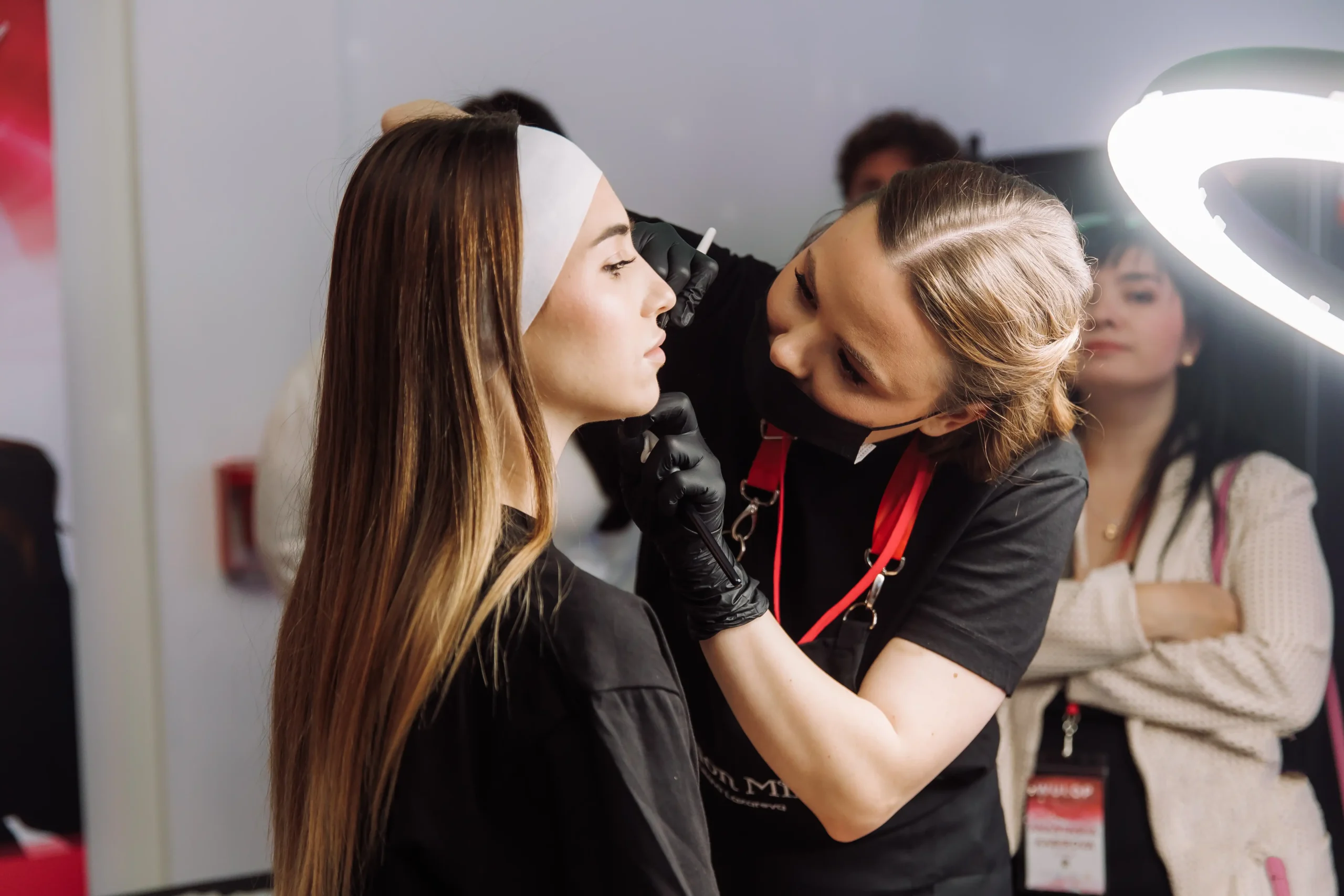
Models are one of your most valuable learning tools at this stage. Your first goal is not immediate income. It is to improve your technique, become comfortable working with real people, and create the first examples for your portfolio.
It is normal to offer free or reduced-price model appointments at the beginning. Keep the terms clear: explain that you are building experience, communicate what the appointment includes, and follow the same safety, consultation, consent, and aftercare process you would use with a paying client.
How to Find PMU Practice Models
- Announce on social media that you are accepting practice models.
- Ask friends, family, and people you know personally.
- Post in relevant local community groups and forums.
- Reach out to people who have already shown interest in your services.
- Ask your trainer whether your current model work is ready for portfolio use.
Photograph every appropriate session before and after the procedure, with the model’s permission. These images become the foundation of your portfolio. Without clear examples of your work, it is difficult for future clients to understand your style and current skill level.
Step 3: Build Your Portfolio With Intention
A strong PMU portfolio is not simply a collection of attractive photos. It is evidence of your current technique, consistency, and professional presentation.
Use clear lighting, clean angles, and consistent framing. Avoid filters that change skin tone, color, texture, or the visible result. Whenever possible, include healed results several weeks after the procedure, not only fresh work immediately after the appointment.
Clients make booking decisions based heavily on what they can see. An honest, carefully organized portfolio makes it easier for potential clients to understand your work and decide whether your style suits them.
Students comparing permanent makeup training in Vancouver should also look at how a course teaches photography, model practice, feedback, and portfolio development, not only the certificate received at the end.
What to Include in an Early PMU Portfolio
- Clear before-and-after photographs.
- Consistent lighting and camera angles.
- Several examples instead of repeatedly posting one result.
- Healed results when clients return and consent to photography.
- Short, accurate descriptions of the service performed.
Step 4: Know When to Start Charging
There is no universal rule for the exact moment a new PMU artist should begin charging. A useful benchmark is consistency: when you understand the complete process, can maintain a safe workflow, communicate clearly, and produce increasingly predictable results, you can begin moving toward paid appointments.
For some artists, this may happen after approximately 10 to 20 practice models. Others may need more time. The number alone is not the deciding factor; the quality of your process, results, and trainer feedback matters more.
Start with a clearly communicated introductory price and increase it gradually as your portfolio and confidence grow. Avoid remaining underpriced indefinitely. Prices that stay extremely low can create the wrong expectation and make professional positioning harder later.
Step 5: Stay Connected With Your Trainer
Good training does not end on the last day of class. Use any post-course support included with your program. Send clear photos for review, ask focused questions, and be open to correction.
Continued guidance can help you identify mistakes before they become habits. It also gives you a more objective way to decide when your work is ready for additional models, portfolio publication, or introductory paid appointments.
This is why choosing the right trainer matters. A mentor who provides useful feedback after training can make a significant difference during your first months as a beginner permanent makeup artist.
Step 6: Stop Comparing Yourself to Artists With Years of Experience
This may be the most important point of all.
Your first year in permanent makeup is a period of growth, mistakes, repetition, correction, and real practice. Comparing early work with results from artists who have spent years refining their technique can make you feel discouraged even when you are making meaningful progress.
Compare your work with where you were one month ago. Are your lines cleaner? Is your consultation more confident? Is your setup more efficient? Are your photographs clearer? Do models feel informed and comfortable throughout the appointment?
Those improvements are evidence that you are moving in the right direction.
The Bottom Line
The real learning continues after the course ends, and it happens through practice.
Your certificate opens the door, but what you do during the first six to twelve months after training will shape your development as an artist. Practice consistently, find suitable models, build an honest portfolio, begin taking clients without waiting for impossible perfection, and stay connected to your mentor.
The path from student to confident PMU artist is not a sprint. It is a long-term process. The students who progress are usually the ones who keep practicing, keep asking specific questions, and keep improving one appointment at a time.
Ready to Build Your PMU Career in Vancouver?
EkBeBeauty Academy offers permanent makeup and beauty training in Vancouver with personalized practice assignments, hands-on model guidance where included, individual feedback, and post-course support to help students move forward with confidence.
FAQ
What should I do right after finishing my PMU course?
Continue practicing consistently, review your training materials, work on practice materials, and begin looking for suitable models when you are ready. The first weeks after training are important for developing muscle memory and confidence.
How many practice models do I need before charging clients?
There is no exact number, but many beginner PMU artists may need approximately 10 to 20 practice models before they feel ready to charge. Consistent results, a safe workflow, and confidence throughout the complete procedure matter more than reaching a specific number.
Should I work for free after my PMU course?
Free or reduced-price model appointments can help you build experience and a portfolio at the beginning. This period should be temporary. As your results and confidence improve, gradually move toward paid appointments.
Why is post-course support important?
Post-course support gives students an opportunity to receive feedback on real practice, correct mistakes early, and understand what to improve. This is especially useful for beginner PMU artists who are still developing confidence.
How do I get my first PMU clients?
Build a clear portfolio, publish model work consistently, ask for referrals, share your learning process, and offer transparent introductory pricing. Potential clients need to see your work and understand your process before they feel ready to book.